Late-starting hurricane seasons
Late-starting hurricane seasons--ones where the first named storm of the year doesn't occur until August--have happened in eleven of the fifty years between 1960 - 2009 (a 22% occurrence.) Only two of these eleven seasons ended up with more hurricanes than average (seven or greater). The record for the latest starting hurricane season since 1851 was set in 1914, when the only storm of the season formed on September 15. The year 1941 was also late starting, with the season's first storm arriving on September 11. Of course, we didn't have satellites back then, so it's a good bet there were storms earlier in these seasons that got missed. However, there's a good possibility that 1914 really did have only one storm. A re-analysis of the hurricane activity in the decade 1911-1920 (Landsea et al., 2008) found 1.3 missing tropical cyclones per year, thanks to the inclusion of a new database of ship weather reports called COADS. However, 1914 was not one of those years. Various authors have estimated that we missed an average of between one and three tropical cyclones per year during that time period, so it is quite possible 1914 had only one storm.

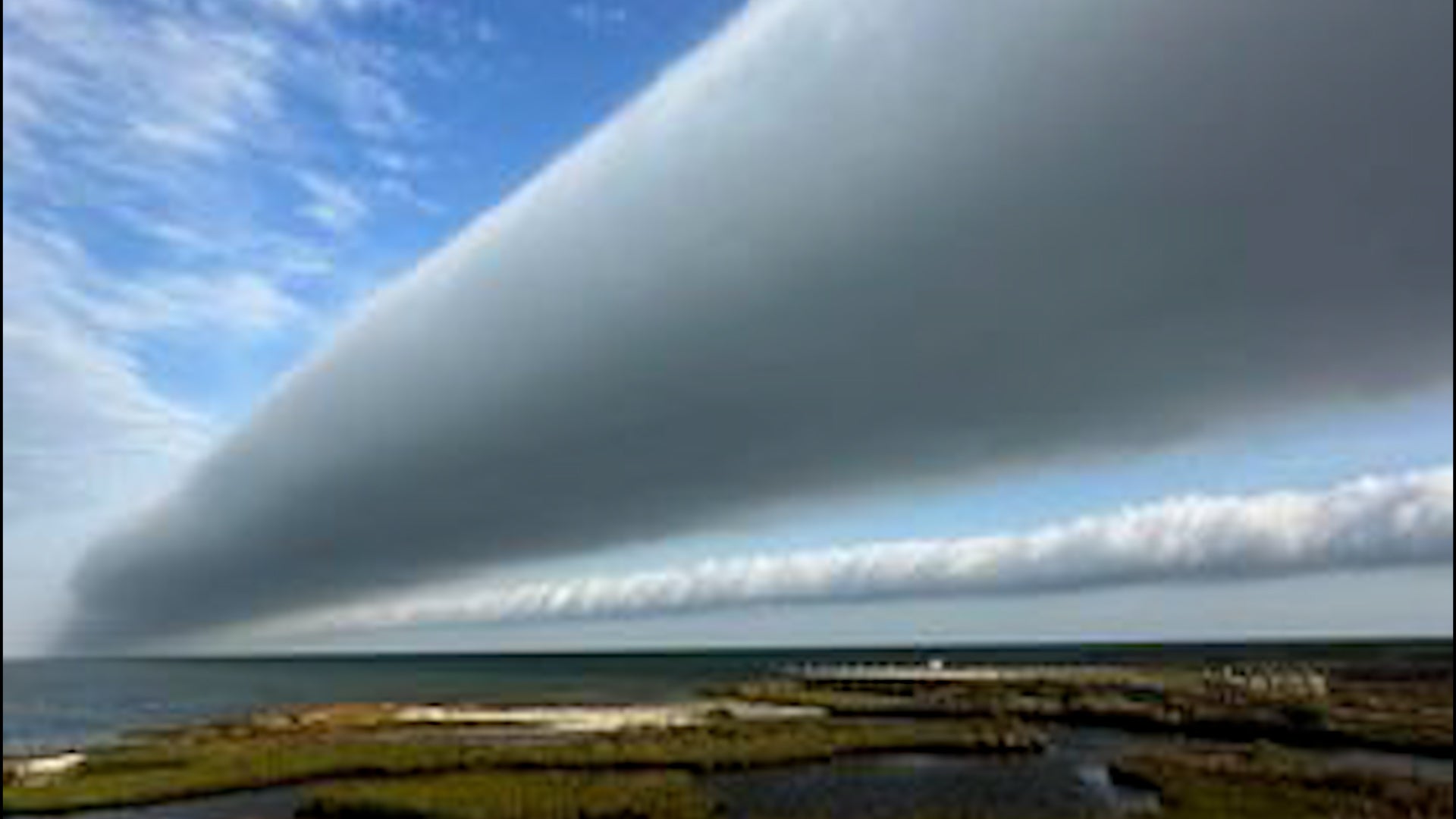
Figure 1. The hurricane season of 1914 featured only one tropical storm, and was the latest-starting hurricane season on record (September 15).
The latest dates for the first named storm of the season in the recent past, followed by the number of named storms, hurricanes, and intense hurricanes that year are:
2009 (August 15) 9,3,2
2004 (August 1) 15,9,6
2000 (August 4) 15,8,3
1988 (August 7) 12,6,3
1987 (August 9) 7,3,1
1984 (August 18) 13,5,1
1983 (August 15) 4,2,1
1977 (August 30) 6,5,1
1967 (August 30) 8,6,2
1963 (August 2) 9,6,2
1962 (August 22) 5,3,1
We can also add 1992 to the list if we ignore the unnamed subtropical storm that formed in April of that year. That year had the notorious Hurricane Andrew as its first named storm. Andrew formed on August 17 of that year, and was the only major hurricane in a year that had only seven named storms and four hurricanes. For comparison, an average Atlantic hurricane season has 10 named storms, 6 hurricanes, and 2 intense hurricanes. So, it is a good bet that 2009 will be a below-average season.
References
Landsea, C. W. , D. A. Glenn, W. Bredemeyer, M. Chenoweth, R. Ellis J. Gamache, L. Hufstetler, C. Mock, R. Perez, R. Prieto, J. Sanchez-Sesma, D. Thomas, and L. Woolcock, 2008, A Reanalysis of the 1911-20 Atlantic Hurricane Database", Journal of Climate, 21, p.2138-2168.
Jeff Masters
Reader Comments
Page: 1 | 2 | 3 | 4 | 5 | 6 | 7 | 8 | 9 | 10 | 11 | 12 | 13 | 14 | 15 | 16 | 17 | 18 | 19 | 20 | 21 | 22 | 23 | 24 | 25 | 26 | 27 | 28 | 29 | 30 | 31 | 32 | 33 | 34 | 35 | 36 | 37 | 38 — Blog Index
Looks very close:
Live Shuttle Landing Video
Yes.....
Yeah, at the launch it gets up to two miles per second. Now that's movin'.
Yeah, Escape Velocity, which is approximately 34 times the speed of sound (mach 34).
Way past there now, so may well have been the Shuttle.
Booom!
So cool....didnt see it too much cloud but went out just in time!
thanks guys!
In no way that's Possible from the Cockpit CT.
Thats BS,..why even say something Like that?
I heard the booms in West Palm Beach, Florida!
Whoa
thanks for the link Patrap.
Ditto
From the NASA blog as Endeavour landed:
#
Touchdown!
Fri, 31 Jul 2009 09:49:00 AM CDT
Endeavour has landed!
#
Flare and Gear Down
Fri, 31 Jul 2009 09:47:59 AM CDT
Polansky pitches the nose of Endeavour up to slow Endeavour for touchdown on the runway. Landing gear down and locked.
#
Endeavour Gliding Over Kennedy!
Fri, 31 Jul 2009 09:45:01 AM CDT
The shuttle has just flown overhead here at Kennedy and Polansky is making his final line up to the runway.
#
Five Minutes
Fri, 31 Jul 2009 09:43:52 AM CDT
Endeavour continues on its prescribed landing path toward Kennedy. Polansky will guide the shuttle along the heading alignment cylinder in about two minutes.
#
Endeavour at Mach 2.5
Fri, 31 Jul 2009 09:42:12 AM CDT
The shuttle has slowed to Mach 2.5. Six minutes to landing.
#
10 Minutes to Landing
Fri, 31 Jul 2009 09:38:22 AM CDT
Endeavour will glide over Cuba before heading up Florida's Atlantic coast on its way to Kennedy. Landing is still on schedule for 10:48 a.m. Shuttle is 443,000 feet above Earth.
#
Roll Reversal
Fri, 31 Jul 2009 09:36:37 AM CDT
Moving at 11,000 mph and slowing, Endeavour is turning to the right now to conclude a sweeping S-turn that helps the shuttle dissipate speed and energy. 450 miles to go.
#
Peak Heating
Fri, 31 Jul 2009 09:29:27 AM CDT
Endeavour is now in the area of maximum heating. It will last another six minutes or so as the shuttle slows tremendously from its orbital speed of Mach 25. Polansky and Hurley work carefully to make sure they keep up the shuttle's energy to glide all the way back to Florida and land safely. All systems are working as they should.
#
First Roll
Fri, 31 Jul 2009 09:25:28 AM CDT
Steering through the thickening atmosphere, Polansky and the seven crew members are watching the plasma form around the spacecraft as the heat shield insulates the craft from the effects.
Viewing: 1801 - 1851
Page: 1 | 2 | 3 | 4 | 5 | 6 | 7 | 8 | 9 | 10 | 11 | 12 | 13 | 14 | 15 | 16 | 17 | 18 | 19 | 20 | 21 | 22 | 23 | 24 | 25 | 26 | 27 | 28 | 29 | 30 | 31 | 32 | 33 | 34 | 35 | 36 | 37 | 38 — Blog Index