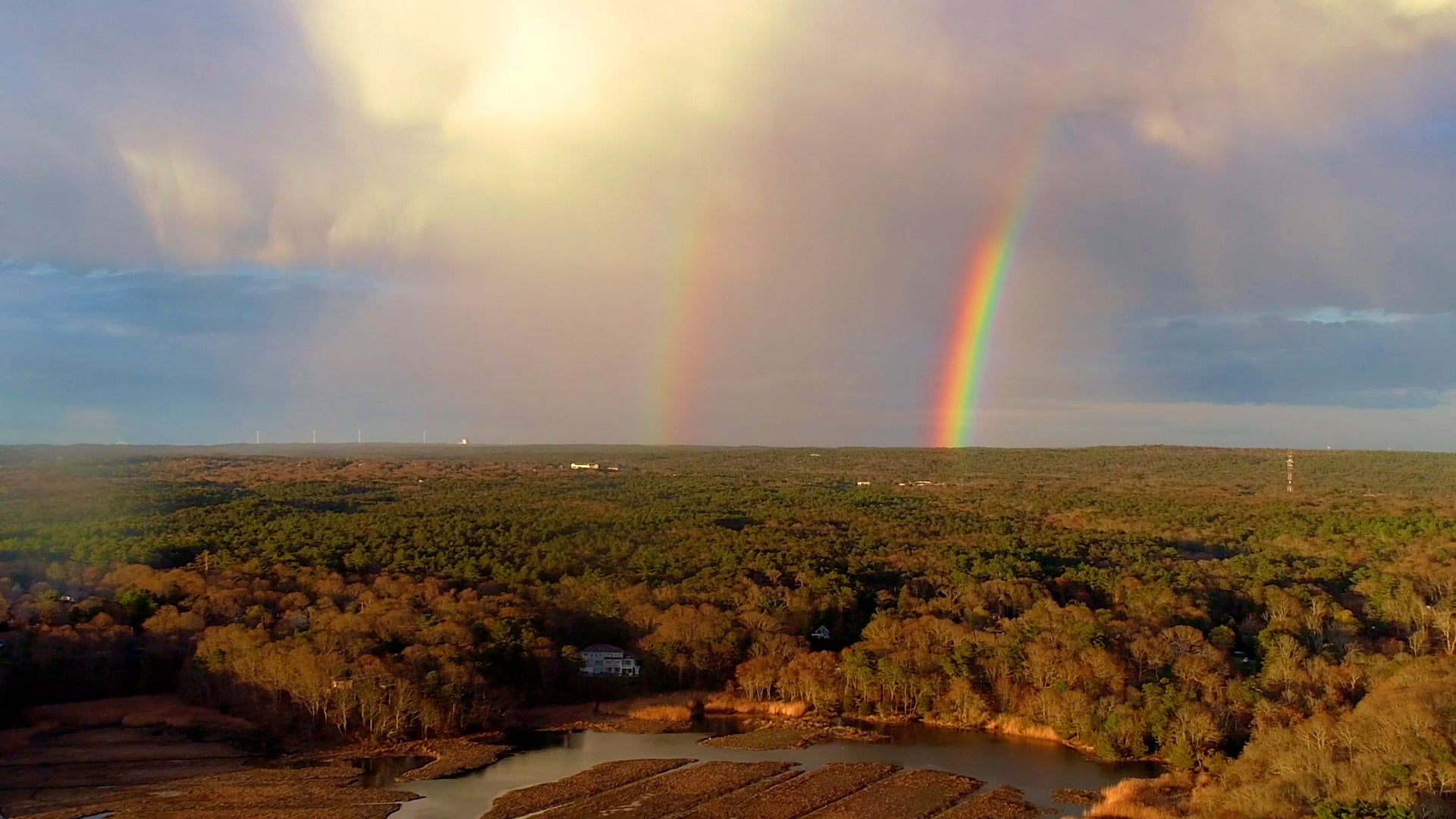
Major flooding in Austin from Hermine
Major flooding is occurring in the Austin, Texas region after Tropical Storm Hermine dumped an estimated 10 - 15 inches of rain over the past 24 hours. The flash flood warning for Austin from the National Weather Service at 4am this morning summarized the danger:
"Areas along I-35 and the Balcones Escarpment in and around the Austin Metro area will continue to experience a very dangerous flash flood event over the next few hours. Numerous evacuations and high water rescues have already been reported by the media and law enforcement personnel."
As wunderground's Dr. Rob Carver reports in his blog this morning, hardest hit was the area ten miles north-northwest of Austin, where an NWS cooperative station measured 10.11" of rain yesterday. The rains have swollen the South Fork of the San Gabriel River at Georgetown, Texas to 50-year flood heights.
Hermine has dissipated, but its heavy rains live on, and are now affecting the Dallas/Fort Worth region, where 1 - 3 inch rainfall amounts have been common. Hermine's rains are still lingering over the hard-hit Austin area, but should remain under one inch for the remainder of the morning. However, this afternoon, additional significant rains are possible near Austin as the sun's heat drives thunderstorm development in the very moist airmass over Central Texas.

Figure 1. Radar estimated rainfall for the Austin, Texas area shows that over fifteen inches of rain may have fallen in the region ten miles north-northwest of the city.
Gaston's remains no longer a threat
Dry air has significantly disrupted the remains of Tropical Storm Gaston, which are now over the Dominican Republic. NHC is now giving Gaston a 0% chance of developing, and no models are calling for development. It appears Gaston is finally dead.
Invest 91 off the coast of Africa
A large, well-organized tropical wave (91L) is just off the coast of Africa, near the Cape Verdes Islands, and is bringing sustained winds of 30 mph this morning to Praia in the southeast Cape Verdes. 91L is under a high 20 - 30 knots of wind shear, but this shear will decline to the moderate range, 10 - 20 knots, by Thursday. Water temperatures are warm, 28°C, and 91L has plenty of spin. The Saharan Air Layer (SAL) is well north of 91L, and should not be an impediment to development over the next few days. The models are pretty unanimous about developing 91L into Tropical Storm Igor sometime in the next 1 - 3 days. NHC is giving 91L a 70% chance of developing into a tropical depression by Friday. The GFDL model predicts 91L will be Hurricane Igor five days from now. The storm will track west to west-northwest over the next week, with long range forecasts from the GFS and ECMWF models putting 91L several hundred miles northeast of the Lesser Antilles Islands 7 - 10 days from now. History shows that about 20% of all tropical cyclones that have existed at 91L's current position have gone on to hit the U.S. East Coast; these odds are 10% for the U.S. Gulf Coast, 5% for Puerto Rico, and 10% for Canada. The forecast steering pattern for the coming two weeks from the GFS model shows a continuation of the pattern we've seen all hurricane season, with regular strong troughs of low pressure moving off the U.S. East Coast. This pattern favors a continuation of the sort of tracks we saw for Danielle, Earl, and Fiona, with threats to the northern Lesser Antilles, Bermuda, the U.S. East Coast, and Canada.

Figure 2. Morning satellite image of Invest 91L (Igor?)
Elsewhere in the tropics
The GFS and ECMWF models are predicting the development of a new tropical wave off the coast of Africa 5 - 6 days from now.
Death toll in Guatemala from Tropical Depression 11E rises to 54
In the Eastern Pacific, heavy rains from Tropical Depression 11E have killed at least 54 people in Guatemala, with many more missing and feared dead. The heavy rains triggered nearly 200 landslides and collapses, causing damages near $500 million. Fifteen landslides hit portions of the Inter-American Highway, burying a number of vehicles and a bus. Tropical Depression 11E formed on September 3, moved over Mexico and Guatemala, and dissipated by the next day. Remnants from the depression may have played a role in the formation of Tropical Storm Hermine in the Gulf of Mexico on September 5.
Guatemala is still recovering from the impacts of Tropical Storm Agatha, which killed 287 people in the country and did over $1 billion in damage in May. This September's heavy rains in Guatemala come on the heels of the rainiest August in Guatemala's history, according to preliminary data from the National Institute of Seismology, Volcanology, Meteorology and Hydrology (INSIVUMEH). Rain was more than 100% above average in many parts of the country, and more than 200% above average in some regions. September and October are historically Guatemala's rainiest months, and any additional tropical cyclones which affect the country can be expected to cause more serious flooding.

Figure 3. Satellite image from Friday, September 3, 2010, showing Tropical Depression 11E over Mexico and Guatemala. Image credit: NASA.
Next post
I'll have an update Thursday morning.
Jeff Masters
Reader Comments
Page: 1 | 2 | 3 | 4 | 5 | 6 | 7 | 8 | 9 | 10 | 11 | 12 | 13 | 14 | 15 | 16 | 17 | 18 | 19 | 20 | 21 | 22 | 23 | 24 | 25 | 26 | 27 | 28 | 29 | 30 | 31 | 32 | 33 | 34 | 35 | 36 | 37 | 38 | 39 | 40 | 41 | 42 | 43 | 44 | 45 | 46 | 47 | 48 | 49 | 50 | 51 | 52 | 53 | 54 | 55 | 56 | 57 | 58 | 59 | 60 | 61 | 62 — Blog Index
LOL!!! That's a classic!
Yeah, they'll need an ark!
Bonnie?
Exactly. That should be the overall pattern till late September with such a strong high over the Continental U.S. This part of the month is for the Texas-Mexico area of the Gulf. With all indications currently, I believe you guys in Texas should get a heck of a lot more ran through the end of September till the frontal system train erodes the high.
Yup
Didn't Bonnie involve a frontal boundary? There really has to be a pretty unique high set-up to steer Caribbean systems into the Northern Gulf early in the season into September. I did not say it was impossible, but a system coming across Florida into the Gulf and ultimately hitting the Northern Gulf (ie. Katrina) is the more likely scenario. So again I think this is Texas's game as per the models that Ike keeps posting. But I could eat crow also:)
Unfortunately, unless that high weakens that allows storms to get into the Central Gulf, its yall's game out West.:(
Is the one farthest west Igor? Poor Bermuda if that comes true.
just send it up this way....as long as it isn't major. We can take one for the team. :)
Yup
Exactly. That's when the Northern Gulf and the West Coast of Florida will have to start worrying.
Storm Parade.
I can agree with that!
There really was no reason for the tropics not to burst. And well.. surprise! And it's still going on.
Remember when it had Fiona as strong as Dean heading towards South Carolina?
Better yet, the run that had Fiona as strong as Dean just south of NOLA.
Although Fiona was really the only storm the Euro was off on this year. It seemed to do exceptionally well (besides Fiona)
Only fish storms this season where Danielle and Gaston.
7 out of 9 named storms this year have hit land. 1 hit land as a major Category 3 Hurricane (Earl in the islands, also brought hurricane conditions to North Carolina as a Category 4) and another hit as a Category 2 (Alex)
And even with Fiona the Euro got a handle on it before too much time had passed and became in much better agreement with the other models.
The blog is slower than Grother's first attempt to invent fire!
Evening Grothar and Everyone :)
It's IGOR not alGore
Which dude? Gore or someone else?
What are the odds on that, Jeff?
Earl caused category 3 conditions in Anegada of the British Virgin Islands but did not actually make landfall at least according to wikipedia.
The hurricane struck Barbados with winds possibly exceeding 320 km/h (200 mph), before moving past Martinique, Saint Lucia, and Saint Eustatius; thousands of deaths were reported on each island. Coming in the midst of the American Revolution, the storm caused heavy losses to British and French fleets contesting for control of the area. The hurricane later passed near Puerto Rico and over the eastern portion of Hispaniola (then Santo Domingo, now the Dominican Republic). There, it caused heavy damage near the coastlines; it ultimately turned to the northeast before being last observed on October 20 southeast of Cape Race, Newfoundland.
The death toll from the Great Hurricane alone exceeds that of any other entire decade of Atlantic hurricanes, and is substantially higher than that of the second-deadliest Atlantic storm, Hurricane Mitch. The hurricane was part of the disastrous 1780 Atlantic hurricane season, with two other deadly storms occurring in the month of October.[3]
Your earlier identical comment was responded to more than once, which tells me that either A) you're a troll looking to provoke with a seemingly clueless statement/question, or B) you don't really want an answer, but you don't know what else to ask. Either way, there's too much going on to waste time answering a silly question once, much less twice. Good luck to you, though...
Correct. Earl did not make landfall officially until the Canadian Maritimes. Also, I don't think Earl caused hurricane force sustained winds on the Outer Banks.
+100
Viewing: 1551 - 1601
Page: 1 | 2 | 3 | 4 | 5 | 6 | 7 | 8 | 9 | 10 | 11 | 12 | 13 | 14 | 15 | 16 | 17 | 18 | 19 | 20 | 21 | 22 | 23 | 24 | 25 | 26 | 27 | 28 | 29 | 30 | 31 | 32 | 33 | 34 | 35 | 36 | 37 | 38 | 39 | 40 | 41 | 42 | 43 | 44 | 45 | 46 | 47 | 48 | 49 | 50 | 51 | 52 | 53 | 54 | 55 | 56 | 57 | 58 | 59 | 60 | 61 | 62 — Blog Index